Rebuilt Mercedes W204 transmission for sale USA Options
Key Car Spare Parts You Need for a Smooth Ride
Keeping a vehicle running safely and efficiently depends greatly on key spare parts. A trustworthy battery, high-performing brake pads, and premium tires are among the components that fulfill essential purposes. Overlooking any of these parts can result in unexpected problems. Understanding how to choose the right parts and when to replace them can enhance the driving experience markedly. The consequences of such decisions reach well past basic convenience, inviting reflection on what really counts for an effortless driving experience.
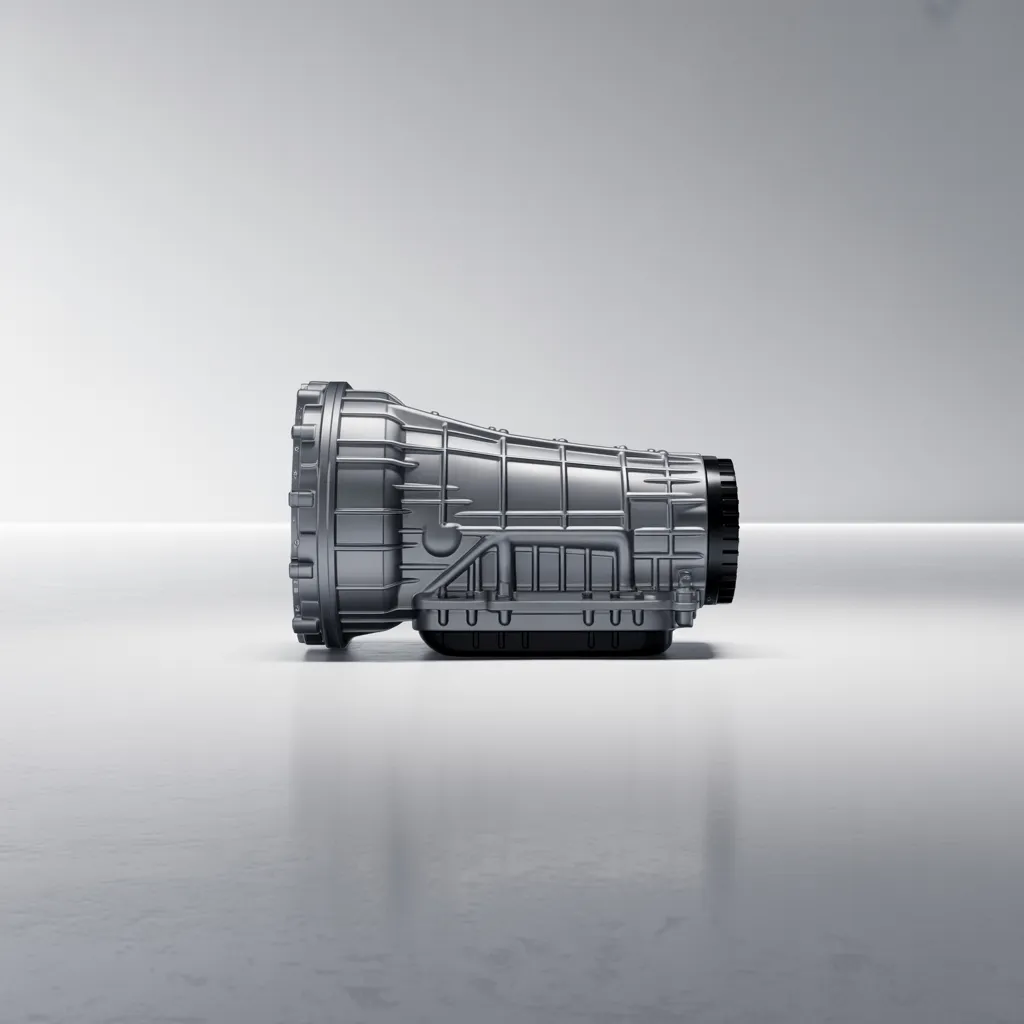
Fundamental Replacement Parts for Your Automobile
All vehicle owners should know about critical spare components that support the smooth operation and safety of their automobile. Important parts consist of the battery, which delivers the essential power needed for engine startup and electrical system functionality. The alternator plays a significant role in keeping the battery charged during engine operation. Moreover, brake pads are crucial for providing efficient braking performance, while air filters protect engine health by eliminating harmful contaminants.
Tires are an additional critical spare part; they affect handling, traction, and overall safety. Consistently monitoring tire tread and pressure is vital. Wiper blades additional information contribute to visibility during rain, while headlights ensure secure nighttime driving. Finally, belts and hoses, such as the timing belt and radiator hoses, are crucial for engine function and cooling. Having these spare parts on hand not only improves vehicle dependability but also fosters a safer driving experience.
How to Select the Best Battery for Your Vehicle
Picking the correct battery for a car is a vital aspect of maintaining vehicle performance. When picking a battery, one must consider several factors. To begin, the battery's size and type should align with the vehicle's requirements, which can typically be found in the owner's manual. Furthermore, the Cold Cranking Amps (CCA) rating is essential, as it measures the battery's capacity to ignite the engine in cold conditions. Furthermore, the Reserve Capacity RC rating shows how long the battery can run on its own if the alternator fails.
The lifespan of a battery is another crucial aspect to consider; the majority of batteries have a lifespan of three to five years. Opting for trusted brands with a proven track record of quality and reliability is strongly encouraged. Ultimately, cost should not be the only consideration. Investing in a high-quality battery can prevent potential breakdowns and guarantee a smoother driving experience in the long run.
Why Are Brake Pads Vital for Your Safety?
Brake pads function as an important component in a vehicle's stopping system, directly impacting driver and passenger safety. They create friction against the brake rotors, enabling the vehicle to reduce speed or halt safely. Worn or damaged brake pads can lead to reduced braking power, increasing the risk of accidents. This diminished performance can result in increased stopping distances, making it challenging to respond swiftly in emergency situations.
Routine inspection and prompt replacement of brake pads are essential for preserving optimal braking performance. Ignoring signs of wear, such as squeaking or grinding noises, may lead to more severe damage, including rotor replacement, which can be costly. As a result, verifying that brake pads are in excellent condition is not solely a performance issue but also a crucial element of comprehensive driving safety. Drivers should prioritize brake maintenance to guarantee safe travels on the road.
Fundamental Replacement Parts: Important Filter Types to Stock
While many drivers focus on primary components like engines and brakes, the value of common filters in a vehicle should not be ignored. Essential filters, such as the oil filter, air filter, and fuel filter, serve a crucial function in preserving the car's performance and lifespan.
The oil filter extracts impurities from engine oil, promoting consistent engine operation and minimizing wear. The air filter stops contaminants and debris from infiltrating the engine, enhancing fuel efficiency and engine performance. Meanwhile, the fuel filter keeps harmful particles from the fuel system, supporting efficient combustion and protecting the engine from damage.
Routinely examining and swapping out these filters is vital for preserving a well-functioning vehicle. Overlooking them can cause diminished efficiency, elevated emissions, and even significant repair costs. By prioritizing filter maintenance, drivers can secure a smoother ride and extend the lifespan of their vehicle.
When and Why to Replace Worn Tires
Tire deterioration is a vital consideration for vehicle safety and performance. Identifying the indicators of wear and appreciating the significance of tread depth can help avoid accidents and enhance handling. The timely substitution of worn tires is necessary for sustaining favorable driving conditions.
Indicators of Tire Wear
Worn tires can greatly impact vehicle safety and performance. Drivers should be vigilant for several signs of tire wear. Uneven tread patterns, such as bald spots or patches, indicate that the tires may need replacement. Furthermore, if the tread depth is noticeably less than the manufacturer's recommendations, this serves as an obvious warning sign. Fractures or bulges along the tire sidewalls similarly point to structural damage, endangering overall safety. A car drifting to one side while in motion may indicate uneven tire wear, requiring prompt attention. Finally, excessive vibrations or noise while driving can indicate tire deterioration. Consistent evaluations and knowledge of these warning signs are critical for sustaining peak vehicle performance and securing safety while driving.
Why Tread Depth Matters
Keeping sufficient tread depth is crucial for vehicle safety and performance. Tread depth affects traction, particularly in wet or slippery conditions, where insufficient depth can lead to hydroplaning. A general rule is to replace tires when tread depth falls below 2/32 of an inch. Operating a vehicle on worn tires extends stopping distances and impairs handling, making it essential to check tread wear on a regular basis. Additionally, uneven tread wear can indicate alignment or suspension issues, which should be addressed promptly. By keeping sufficient tread depth, vehicle owners strengthen safety, optimize fuel efficiency, and maximize tire lifespan. Routine inspections and prompt replacements are key measures in preserving optimal performance and minimizing the chance of accidents on the road.
Where to Source Quality Spare Parts for Your Automobile
Where can someone find reliable spare parts for their vehicle? High-quality spare parts are crucial for ensuring optimal performance and durability. Nearby auto parts retailers commonly supply a range of components, enabling buyers to examine parts firsthand. Online retailers, such as Amazon and specialized auto parts websites, provide ease of access and affordable rates, frequently showcasing buyer feedback and scores to assist decisions. Furthermore, certified dealerships ensure authentic manufacturer parts, which are engineered precisely for particular vehicle models. Salvage yards can also be an economical option, offering secondhand parts that are still functional and reliable. In addition, vehicle-related discussion boards and owner groups might supply recommendations and resources for sourcing quality parts. Ultimately, a blend of these sources can help guarantee that automobile owners secure the required components to keep their cars running smoothly.
Frequently Asked Questions
How Regularly Should I Review My Spare Parts?
Periodic evaluations of spare parts ought to be performed every 5,000 and 7,500 miles or during routine maintenance. This guarantees maximum performance and safe operation. Furthermore, visual inspections should be carried out monthly for any visible wear or damage.
Can Used Spare Parts Be Used for My Car?
Yes, used spare parts can be utilized for a vehicle, so long as they are in adequate condition and compatible. However, one must diligently inspect their integrity to secure safety and performance remain uncompromised.
What Tools Should I Have for Spare Part Replacement?
To substitute spare parts, you generally require essential tools such as wrenches, screwdrivers, pliers, a jack, and a torque wrench. Such tools enable effective removal and installation, ensuring proper maintenance and functionality of the vehicle.
How Can I Identify an Authentic Spare Part?
To recognize an authentic spare part, it is important to inspect packaging for authenticity seals, check manufacturer details, match part numbers, and consult reputable suppliers. Furthermore, customer reviews and warranty details can help validate the part's genuineness.
How Reliable Are Aftermarket Parts When Compared to Original Ones?
Aftermarket components can be dependable, but quality differs significantly. Consumers should research brands, read reviews, and guarantee compatibility. OEM parts typically provide assured performance, while reputable aftermarket options can provide cost savings without sacrificing safety.